
Coral Gables and Coconut Grove Private Transportation: Planning Executive, Residential and Waterfront Itineraries

Updated: Sep 21
Coral Gables and Coconut Grove should not be treated as interchangeable “South Miami” stops. They sit close enough to appear simple on a map, yet the transportation decisions can be very different depending on whether the traveler is moving between an office, hotel, private residence, university, medical appointment, marina, restaurant or waterfront event.
For an executive assistant, family office, travel advisor or private traveler, the useful planning question is not “Can we get a car there?” It is how to sequence the day so each handoff remains predictable even when dwell times move. That is where local destination detail, pickup instructions and the choice between point-to-point and continuous chauffeur service become important.
Table of Contents

Coral Gables and Coconut Grove create different stop patterns
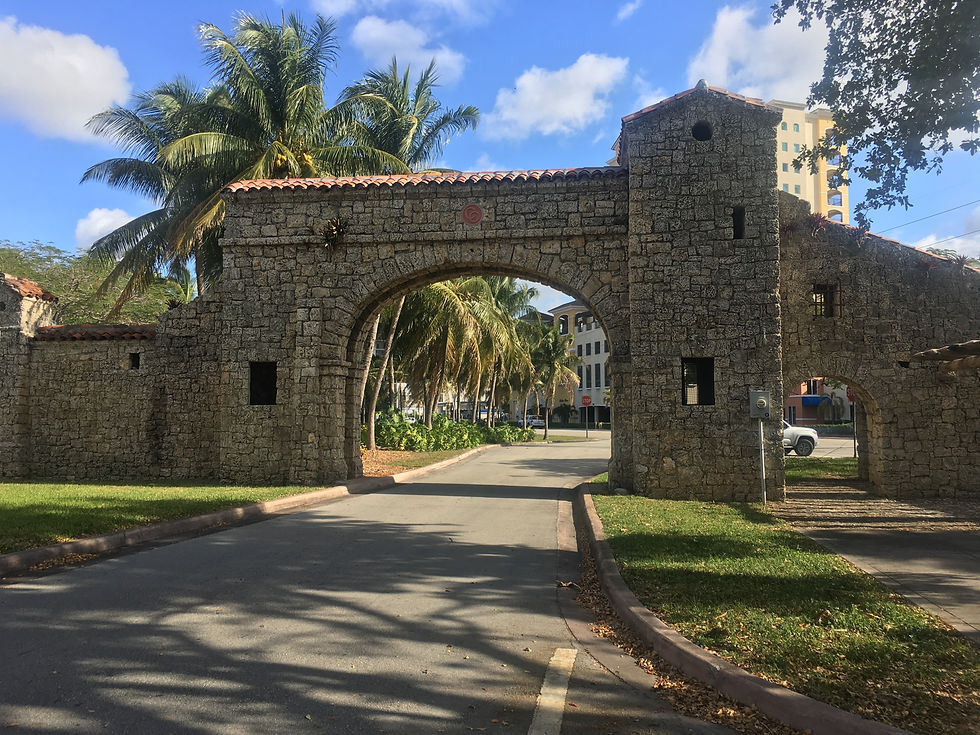
Coral Gables often concentrates business, professional, hospitality, university, medical and residential activity around a street network where the exact building or entrance matters. Coconut Grove combines residences, hospitality, dining, commercial streets, parks and waterfront destinations in a more leisure-and-waterfront-oriented pattern.
Official local information illustrates that difference. The City of Coral Gables operates trolley routes along Ponce de Leon Boulevard and Grand Avenue, while the Coconut Grove Business Improvement District maps parking, valet and waterfront-area access points. Those are not reasons to choose public transportation for a private itinerary; they are useful evidence that each neighborhood has its own movement nodes and access logic.
A strong chauffeur brief therefore names the exact stop, not just the neighborhood. “Coral Gables meeting” or “Coconut Grove dinner” is not enough when a principal has a narrow arrival window. Use the property address, preferred entrance or meeting point, contact name and any known access instruction.
Build the day around fixed commitments first
Start with the appointments that cannot move: a board meeting, investor meeting, medical appointment, private event, flight, yacht departure or dinner reservation with a strict arrival expectation. Place those on the timeline first. Then fit flexible stops around them.
This matters because a premium itinerary often contains different types of dwell time. A thirty-minute meeting can become an hour. A residence pickup can take longer when several guests are leaving together. A waterfront stop can involve a walk between the vehicle access point and the final destination. The schedule should absorb normal uncertainty without making the principal feel the buffer.
For corporate movements, our executive transportation service is the relevant service architecture. The article here is narrower: it is about sequencing Coral Gables and Coconut Grove stops so the service remains coherent across the day.
Point-to-point or hourly service: use the itinerary test
Point-to-point transportation is efficient when each pickup time and destination is known, the traveler does not need the vehicle between stops, and changes are unlikely. It is a clean solution for an airport arrival to one hotel or residence, a single dinner movement, or a straightforward meeting transfer.
Hourly chauffeur service becomes more useful when the day contains several stops, uncertain meeting end times, belongings that should stay with the vehicle, or passengers who may split and regroup. The decision is less about luxury and more about whether continuity has operational value.
Our separate guide to when hourly chauffeur service makes more sense than point-to-point transfers covers that service-model decision in depth. For Coral Gables and Coconut Grove, the practical signal is schedule volatility: the more the day can move, the more valuable it is to keep one transportation plan intact.
Private residences require more precise pickup information
A residential itinerary can fail for a simple reason: the address is technically correct but operationally incomplete. Gated properties, condominium towers, guest entrances, valet areas and large residential sites can create several plausible pickup points.
Confirm the exact handoff location before the vehicle is en route. If access instructions exist, place them in the service brief together with the passenger contact. If the principal should not be called directly, designate the household staff member, assistant, security contact or representative who owns the pickup communication.
The same principle applies to hotels and clubs. Use the entrance the traveler will actually use, particularly when a property has separate lobby, residence, spa, event or service access. Precision at the last 100 yards can matter more than precision across the previous ten miles.
Waterfront stops need a handoff plan, not just a pin
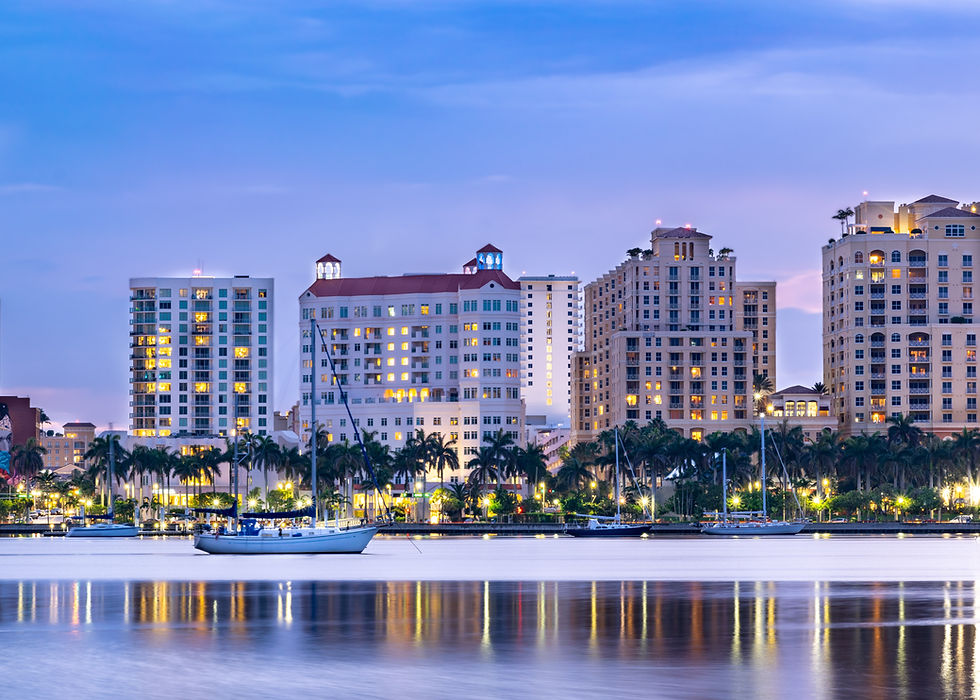
Coconut Grove’s waterfront destinations make this especially important. A map pin may identify the property, but the passenger still needs to know where the vehicle can practically meet them and how much walking or internal movement remains after drop-off.
When the itinerary connects to a marina, yacht, event or waterfront restaurant, confirm who controls the final handoff. Is the passenger meeting a captain, yacht manager, host, concierge or venue contact? Is luggage moving with the passenger? Does the vehicle need to remain available or can it leave after drop-off? Those questions determine whether the ground movement is complete.
For private aviation travelers entering South Miami, Miami Executive Airport transportation can also be part of the journey. The airport transfer and the neighborhood itinerary should be planned as one chain when the passenger continues directly into meetings, a residence or the waterfront.
Protect the itinerary from small delays
The most damaging transportation problems are often not dramatic. They are five- or ten-minute losses repeated across a multi-stop day: a pickup location that is unclear, a passenger who is not in the correct vehicle, a meeting that ends late, or a driver who has not been told the next destination changed.
Use a single itinerary owner. For executive travel, that may be the executive assistant or chief of staff. For a private family, it may be a family-office representative, travel advisor or household manager. That person should be able to approve routing or timing changes without creating parallel instructions from several guests.
For multi-party days, passenger assignments should also be explicit. If one guest leaves Coral Gables early while the principal continues to Coconut Grove, decide before the moment of departure whether the same vehicle can absorb that change or whether a separate vehicle protects the principal’s schedule better.

A practical planning checklist for Coral Gables and Coconut Grove
Exact destinations. Use full addresses and the intended entrance or meeting point wherever possible.
Priority order. Mark each stop as fixed, important-but-movable, or optional.
Dwell-time realism. Allow meetings, residences, dining and waterfront handoffs to have different timing behavior.
Vehicle continuity. Decide whether the traveler benefits from keeping the same chauffeur and vehicle through the day.
Passenger structure. Confirm who rides together, who may split, and who can authorize changes.
Belongings. Account for luggage, shopping, presentation materials, sports equipment or items that need to remain secured between stops.
Communication hierarchy. Identify the principal contact and a backup contact before service begins.
Recovery logic. Know which stop can be shortened or removed if the day slips, while protecting the next immovable commitment.
Plan the neighborhoods as one operating day
Coral Gables and Coconut Grove are close enough that travelers often combine them, but the quality of the day depends on how the individual stops are connected. The transportation plan should anticipate the difference between an office lobby, a residence, a hotel, a marina and a flexible dining stop.
VIP Miami Transfers coordinates private and executive movements across Miami with the itinerary—not the vehicle—as the central planning document. If your day includes Coral Gables, Coconut Grove or both, send the schedule to our Concierge Team. We can structure the pickups, standby logic, passenger communication and onward movements around the commitments that actually matter.
Frequently Asked Questions
Is Coral Gables or Coconut Grove better for an executive stay in Miami?
It depends on the itinerary. Coral Gables and Coconut Grove serve different combinations of offices, residences, hotels, dining, university, healthcare and waterfront destinations. The stronger choice is the location that reduces unnecessary movement around the traveler’s fixed commitments.
Should I book point-to-point transfers or an hourly chauffeur for a multi-stop day?
Point-to-point works well when the schedule is fixed and stops are independent. Hourly service is often better when meeting times may move, passengers need belongings to remain with the vehicle, or the day includes several nearby stops with uncertain dwell times.
What details matter for pickups at private residences or waterfront destinations?
Provide the exact address, entrance or meeting point, passenger contact, guest count, luggage or equipment considerations, and any known access instructions. Property names alone can be insufficient for precise coordination.
Can a Coral Gables or Coconut Grove itinerary connect with Miami Executive Airport?
Yes. Miami Executive Airport can be relevant for private aviation travelers moving into South Miami. The transportation plan should still be built around the actual aircraft timing, passenger handoff, destination and next commitment rather than assumed travel times.


Comments