
Luxury Transportation for Family Vacation in Miami

Updated: Sep 6
Luxury transportation for family vacation in Miami becomes most valuable when the family no longer has to behave like its own logistics team. For discerning families, the question is not whether a private vehicle is more comfortable than an ordinary alternative. That has already been decided. The more important question is whether the transportation plan protects the adults from becoming dispatchers while children, grandparents, luggage, dining plans, residence access, marina timing, and airport pressure all compete for attention.
Miami is generous to families, but it is not passive. A stay may begin at Miami International Airport, settle into Miami Beach or Bal Harbour, shift toward Coconut Grove or Coral Gables, include a yacht departure, move north toward Boca Raton or Palm Beach, and finish through a different airport than the one used on arrival. None of those movements is exceptional by itself. The difficulty appears when the family expects the vacation to feel relaxed while the itinerary quietly asks for executive-level coordination.
This article takes a narrower view than a general family travel guide. It is about governance: who makes decisions, who receives updates, which guest needs priority at each threshold, and how chauffeur services can preserve the family’s rhythm without over-communicating. The best private transportation plan is not the one with the most visible service gestures. It is the one that removes operational noise before the family has to notice it.
Table of Contents

Why Family Vacation Transportation Is Really Decision Protection
Affluent families rarely misjudge the value of comfort. They misjudge the number of decisions that appear once a Miami vacation begins. A parent may be trying to keep children settled after a flight while also confirming luggage, dinner timing, hotel arrival, room readiness, and whether another relative should travel separately. An advisor may have arranged the broad itinerary, but the live decisions often land back on the family when the transportation plan is too thin.
The distinction matters because a family vacation is judged by emotional continuity. If every movement requires a question, a phone call, a location pin, or a correction, the family still reaches each destination, but the experience becomes internally managed. Luxury transportation should protect the decision environment around the family. It should clarify the next step before the parent, principal, or assistant has to ask.
In Miami, decision protection is especially important because the setting changes quickly. Airport arrivals, hotel frontages, gated residences, marinas, yacht clubs, restaurants, private aviation terminals, and event districts all require different handoff logic. A family may not care how the transportation is sequenced; they care that the day keeps its composure. The unseen work is knowing which details should be solved before they become visible.
The Family Itinerary Governance Model
The useful planning lens for this article is the Family Itinerary Governance Model. It separates a family vacation into five operating questions: authority, pace, access, privacy, and recovery. Authority defines who is allowed to approve timing changes. Pace identifies which guest sets the practical rhythm at each point in the day. Access determines how airports, hotels, residences, marinas, and clubs should be approached. Privacy protects addresses, movements, and waiting moments. Recovery accounts for fatigue, children, luggage, delays, and the need to adjust without making the vacation feel disrupted.
This model prevents a family itinerary from being planned only around addresses. A transfer from Miami International Airport to Miami Beach may look simple, but the governance questions are more revealing. Who should receive the first landing update? Should the principal be insulated from routine coordination? Is there a child seat requirement, a stroller, a large luggage profile, or a senior guest who should not wait outside? Is the family going directly to a hotel, or should the chauffeur services be aligned with an early dinner or residence handoff?
The same model applies to the rest of the stay. A morning in Bal Harbour may require more flexible return timing than a formal dinner in Brickell. A yacht departure from a marina may require firmer sequencing than a casual lunch in Coconut Grove. A final departure may require more authority clarity than any earlier movement because luggage, checkout, children, and flight timing converge. Governance gives the itinerary a quiet command structure without making it feel rigid.
Guest Hierarchy Is Different From Passenger Count
Passenger count is a necessary detail, but it is not the same as guest hierarchy. A family of five can include a principal whose privacy matters, a spouse managing children, a grandparent who needs a calmer pace, a nanny carrying practical items, and a teenager whose plans may change during the day. Treating all guests as one uniform group misses the actual behavior of family travel.
Guest hierarchy does not mean status for display. It means understanding who needs the least friction, who may need extra time, who should not be asked to wait in a public area, and who can manage a practical handoff if the group separates. In some families, the parent is the decision-maker. In others, a chief of staff, private advisor, family office representative, estate manager, or hotel concierge handles coordination before and during the stay.
This is where chauffeur services should reduce—not increase—the communication burden. The family should not receive every operational detail. The right contact should receive the right update at the right moment, with enough clarity to keep the plan moving. Over-communication can be as disruptive as silence when the principal is trying to remain present with family. A refined transportation partner knows when to inform, when to confirm, and when to simply execute.
Miami Handoffs Require More Than Address Accuracy
Many transportation plans are organized around pickup and drop-off addresses. For a family vacation in Miami, that is too basic. The address is only the outer layer of the movement. The important detail is the handoff: aircraft to vehicle, terminal to curb, lobby to vehicle, residence gate to cabin, marina entrance to dock, restaurant exit to departure, or hotel checkout to airport release.
Each handoff carries its own sensitivity. At a commercial airport, the family may need coordination around luggage, children, customs timing, or a slower exit than the flight status suggests. At a private aviation terminal, the handoff may be more discreet and more fluid. At a Miami Beach hotel, the frontage may be active at the exact moment the family is ready to leave. At a waterfront residence, access instructions may matter more than visibility. At a marina, the distance between the vehicle and the vessel can change the guest experience more than the drive itself.
Families feel these details as calm or friction, even when they never see the planning behind them. A chauffeur arriving on time is important, but timing alone does not answer whether the family will wait in the right place, whether luggage is matched to the correct vehicle, whether the older guest has the easiest path, or whether the principal avoids a public pause. The quality of the handoff is where luxury transportation becomes operational rather than decorative.
What Changes When the Family Plan Bends
Family vacations rarely fail because of one dramatic interruption. They become tiring through small bends in the plan. A child wants to return early. A grandparent prefers not to continue to the next stop. A lunch runs long. A boutique appointment expands. A yacht departure changes. A hotel room is not ready. A final dinner is moved from Miami Beach to Brickell. None of these adjustments is unusual, but they can create avoidable pressure if every change requires the family to rebuild the transportation plan in real time.
The best planning assumes that the family will need controlled flexibility. Controlled flexibility is different from casual improvisation. It means the transportation structure already understands the itinerary anchors, the likely split points, the preferred communication contact, and the moments that should remain firm. A family may enjoy spontaneity, but the operating layer beneath the vacation should not be improvised.
Miami’s geography makes this even more important. Moving between Miami Beach, Surfside, Bal Harbour, Fisher Island access points, Brickell, Downtown Miami, Coral Gables, Coconut Grove, Key Biscayne, Aventura, Sunny Isles Beach, Boca Raton, and Palm Beach is not simply a matter of distance. Each corridor has its own timing behavior, arrival profile, and exposure level. When the family plan bends, the transportation response should account for the corridor, not only the new address.

How to Brief Concierge Transportation Before Arrival
A strong family transportation plan begins with a better brief. The most useful inquiry does not need to include a finalized minute-by-minute itinerary. It should include the shape of the stay: arrival airport, departure airport, hotel or residence base, guest count, luggage profile, ages of children, senior guest considerations, planned districts, marina or yacht timing, private aviation details, and any privacy-sensitive addresses or arrival moments.
The brief should also define communication authority. If a parent wants to remain insulated from logistics, that should be clear. If a private advisor or assistant should receive updates, the communication flow should be established before the first arrival. If hotel concierge, residence staff, yacht crew, or an estate manager will be involved, the transportation plan should understand where their responsibilities begin and end.
Finally, the brief should identify the family’s tolerance for structure. Some families prefer a lightly held plan with quiet standby capability. Others need a more defined multi-day transportation rhythm because there are children, older relatives, formal commitments, shopping plans, yacht movements, or regional travel north toward Boca Raton and Palm Beach. The correct model is not always more service. It is the right amount of coordination for the family’s actual pattern.
Luxury Transportation for Family Vacation in Miami
For VIP Miami Transfers, luxury transportation for family vacation in Miami is not framed as a vehicle-first decision. The vehicle matters, but it sits inside a larger concierge standard: calm communication, discreet coordination, thoughtful timing, and an itinerary structure that keeps the family from carrying operational responsibility throughout the stay.
The reference standard is simple to describe and difficult to execute well. The family should feel free, not scheduled. The advisor should feel informed, not overloaded. The principal should be protected from unnecessary logistics. Children and older guests should be considered without making the experience feel clinical. Luggage, shopping, beach items, and final departure pressure should be anticipated before they become issues.
A discovery-stage conversation with VIP Miami Transfers can begin with the broad shape of the vacation rather than a completed itinerary. From there, the coordination can be designed around arrivals, hotel or residence access, family hierarchy, likely split movements, marina handoffs, regional corridors, and final departure pressure. The result is private transportation that does more than connect locations. It protects the family from having to manage Miami while trying to enjoy it.
Comparison Matrix
Family itinerary governance layer | Common planning mistake | What the family feels | VIP Miami Transfers reference standard |
Authority | No clear decision-maker for timing changes | Parents or principals are pulled into logistics during the vacation | Establish the preferred coordination contact before the first arrival |
Pace | Planning only around scheduled times | Children, senior guests, or tired travelers create avoidable pressure | Account for the guest who sets the practical rhythm at each stage |
Access | Treating every address as a simple location | Hotel frontage, residence gates, marinas, and terminals create exposed waiting | Plan the handoff, not only the destination |
Privacy | Assuming discretion only matters for celebrities | Residential addresses, family patterns, and waiting moments feel too visible | Keep communication, staging, and arrivals restrained |
Recovery | No structure for fatigue, delays, or split movements | The family must rebuild the plan when the day changes | Build controlled flexibility into the transportation model |
Final departure | Treating departure as a simple airport movement | Luggage, checkout, children, and flight timing compress the final morning | Protect departure as its own coordination event |
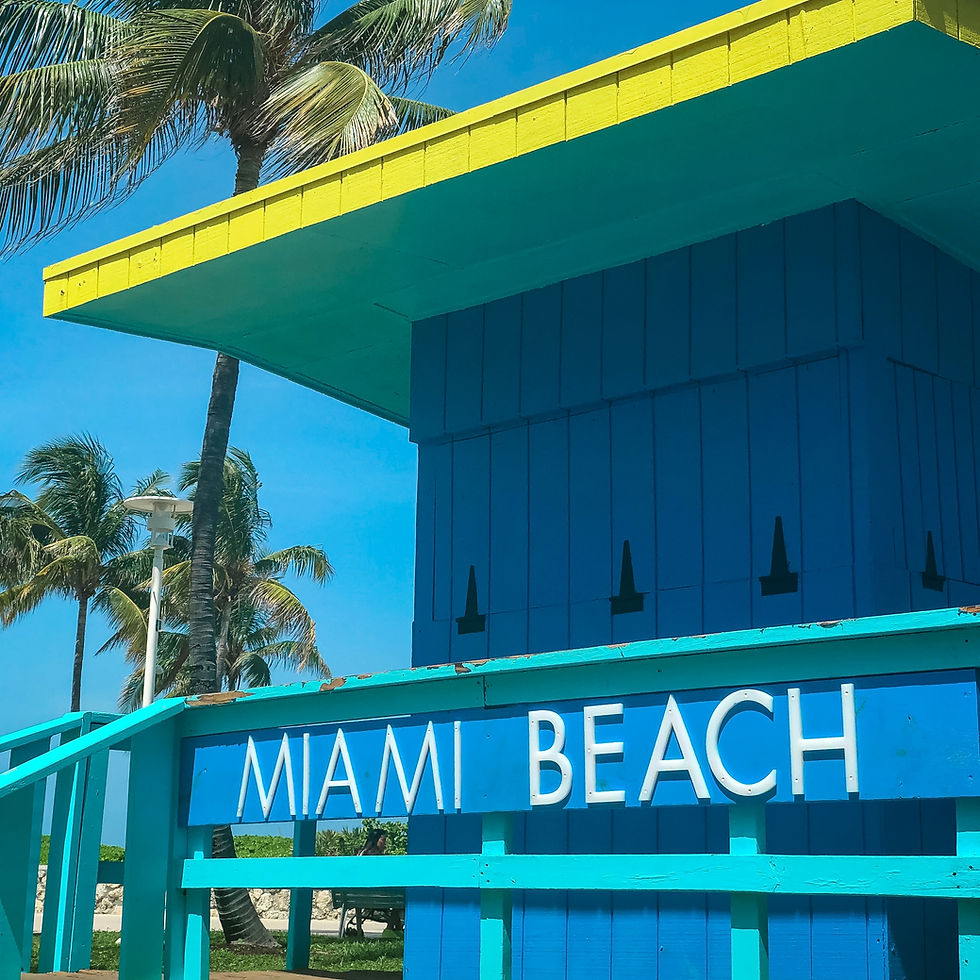
Luxury Transportation for Family Vacation in Miami
For families planning a Miami vacation, VIP Miami Transfers can review the shape of the itinerary and recommend a private transportation structure around arrivals, residences, hotels, marinas, guest hierarchy, communication preferences, and final departures. To request coordination, share the travel dates, arrival and departure airports, family profile, base location, and any sensitive timing or privacy considerations.
FAQ Section
What makes luxury transportation for family vacation in Miami different from a standard airport transfer?
Luxury transportation for family vacation in Miami must account for the full family structure, not only the first arrival. Children, grandparents, luggage, hotel frontage, residences, marinas, changing plans, and final departures all affect how the transportation should be coordinated.
Why is guest hierarchy important for family transportation planning?
Guest hierarchy helps clarify who needs the least friction, who sets the pace, who can approve changes, and who should receive communication. A passenger count tells how many people are traveling; guest hierarchy explains how the family actually moves.
Should a family choose separate transfers, hourly service, or multi-day coordination?
The right structure depends on the itinerary. Separate transfers may work for a simple airport and dinner plan, while hourly or multi-day coordination may be better for families with children, older guests, yacht plans, residences, shopping, regional travel, or changing schedules.
What should an advisor or family office provide before requesting coordination?
The most helpful details include travel dates, arrival and departure airports, hotel or residence base, guest count, luggage profile, children’s ages, senior guest considerations, private aviation or marina details, planned districts, and the preferred communication contact.
How does Miami’s geography affect family vacation transportation?
Miami family itineraries often move across distinct corridors, including Miami Beach, Bal Harbour, Brickell, Coral Gables, Coconut Grove, Key Biscayne, Aventura, Boca Raton, and Palm Beach. Each corridor can change timing, access, privacy, and departure planning.
Can chauffeur services help when a family separates during the day?
Yes. A coordinated plan can account for likely split movements, such as one adult returning with children, grandparents leaving early, an assistant managing purchases, or part of the family continuing to dinner while others return to the hotel or residence.
When should families begin discussing private transportation for a Miami vacation?
Families should begin once the general shape of the stay is known, even if the itinerary is not final. Early coordination helps identify airports, base locations, luggage needs, guest hierarchy, marina timing, residence access, and communication preferences before the family arrives.



Comments