
The Hospitality Show 2026 Miami Transportation: Executive Planning for Hotel Owners and Operators

The Hospitality Show 2026 is scheduled for November 2–4 at the Miami Beach Convention Center, bringing hotel owners, operators, management companies, asset and investment leaders, and hospitality buyers into Miami Beach. For those travelers, transportation is rarely one convention-center transfer. The useful plan connects airports, hotels, MBCC, ownership meetings, supplier appointments, dinners and departures as a single operating schedule.
VIP Miami Transfers provides executive transportation in Miami for principals, leadership teams and assistants managing complex agendas. The event’s official attendee information identifies hotel owners and owner-operators, franchisee groups, third-party management companies, asset managers, investment leaders, operations executives and technology or procurement buyers among the audiences the show is built to serve.
Table of Contents

Why This Is More Than a Convention-Center Transfer
A senior hospitality attendee can have a completely different schedule from the rest of the team. One executive may attend an ownership meeting before the show opens, another may be on the exhibition floor, and a third may leave for a property tour or private dinner. Treating all of those people as one group can create waiting and missed opportunities. The transportation plan should map each principal’s fixed commitments first, then identify where movements can efficiently be combined.
The objective is one operating itinerary with clear passenger assignments, even when the group uses several vehicles. That allows an executive assistant or travel manager to see which driver is responsible for which passenger, which meetings cannot move and where there is flexibility if the conference program changes.
Use MBCC as an Anchor, Not the Entire Itinerary
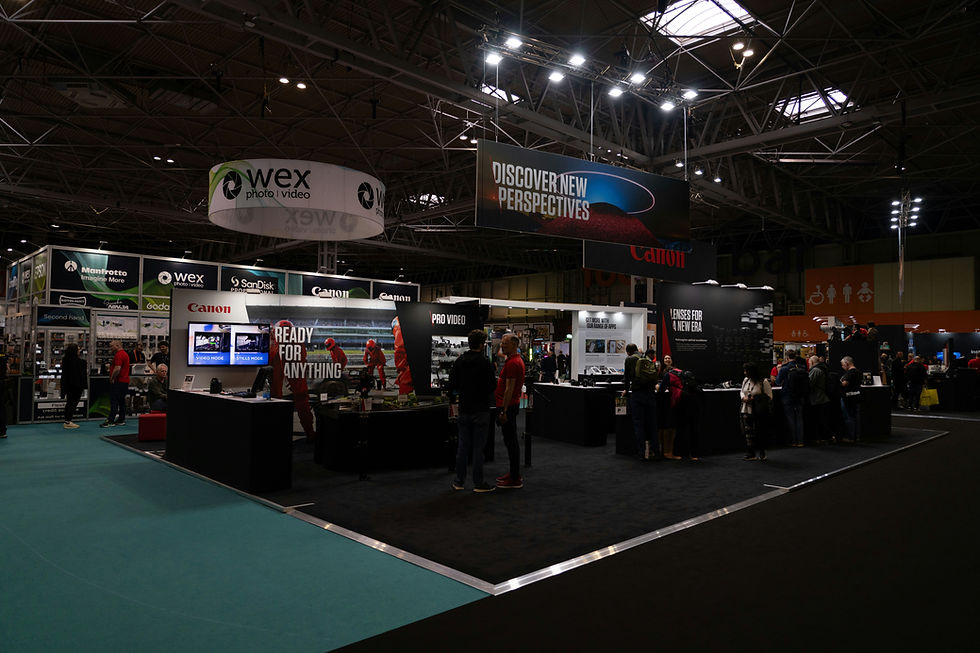
The Miami Beach Convention Center event listing confirms The Hospitality Show 2026 at MBCC for November 2–4. That venue is the central anchor, but it should not become the only address in the transportation brief. Hotel executives frequently layer investor conversations, supplier meetings, breakfasts, dinners and private appointments around a conference day.
MBCC is only one anchor. The useful schedule includes hotel pickup, the correct convention-center drop point, off-site meetings, evening commitments and the final return. If a principal leaves MBCC for ninety minutes and then returns, that movement should already exist in the master itinerary rather than becoming a last-minute dispatch request.
Coordinate MIA, FLL and Private Aviation as One Arrival Plan
Attendees may arrive through Miami International Airport, Fort Lauderdale-Hollywood International Airport or private aviation facilities across South Florida. A leadership team should not be forced into the same airport strategy simply because everyone is attending the same event. The best flight schedule, arrival point, hotel location and first commitment may differ by traveler.
For each arrival, build around passenger-ready time rather than the aircraft’s touchdown. Checked baggage, immigration, terminal walking time and calls after landing all affect the ground handoff. The travel manager should provide flight numbers, traveler contacts, luggage profiles and the first fixed commitment so each arrival can be planned independently and then folded into the shared conference itinerary.

Keep Ownership Teams, Speakers and Buyers on Separate Schedules
The event’s audience mix makes split movements normal rather than exceptional. An owner or investor may be holding private meetings while an operating executive is on the show floor. A procurement leader may have scheduled supplier appointments. A speaker may need to arrive earlier than the rest of the team. The transportation plan should acknowledge those differences instead of optimizing for the convenience of a single vehicle.
Split schedules should be deliberate, not improvised. Assign passengers and vehicles before the day begins, identify who can share movements and keep one person authorized to approve changes. That structure is particularly useful when a meeting runs long because the change can be isolated to the affected passenger rather than reshuffling the entire group.
Allocate Vehicles Around the Work, Not the Title
The VIP Miami fleet supports different operating patterns. A premium SUV may make sense for a principal, a pair of executives or a confidential meeting schedule. An executive Sprinter may be more practical for a larger leadership group moving together between a hotel and MBCC, especially when everyone also has laptops, presentation materials or luggage.
Vehicle allocation should follow the work. Passenger count, luggage, privacy, meeting structure and the likelihood of split movements matter more than hierarchy alone. In some cases, two SUVs give a four-person leadership team more flexibility than one larger vehicle because the executives can separate without waiting for one another.
Protect Networking Dinners and Evening Commitments
For hospitality leaders, some of the most commercially important conversations happen after the formal program. Dinner reservations, private receptions and smaller meetings therefore belong in the transportation plan with the same seriousness as a convention-center arrival. Evening traffic, restaurant valet operations and uncertain release times should be factored into the schedule.
Retained chauffeur coverage can be useful when the end time is genuinely uncertain, while point-to-point service can make sense for a fixed reservation with a known return. The choice should follow the itinerary, not a blanket rule. What matters is that the executive assistant knows whether the vehicle remains available or whether a separate pickup has been scheduled.
Build Margin Into Hotel Departures and MBCC Arrivals
Conference mornings compress many travelers into the same time window. Hotel elevators, valet queues, Miami Beach traffic and venue drop-off activity can all add small delays that accumulate. The transportation schedule should work backward from the time the traveler actually needs to be inside the convention center, not the time a car should reach the curb.
If an executive has a breakfast meeting or speaking commitment before the general program, that becomes the first hard anchor of the day. Other team members can travel later. Separating those movements can protect the highest-consequence commitment without making the full group leave unnecessarily early.
What an Executive Assistant or Travel Manager Should Send
The most effective transportation brief is short enough to maintain and detailed enough to operate. Send the core information early, then revise the master itinerary rather than distributing disconnected updates through several channels.
Traveler names, mobile contacts and any assistant or security contacts.
Flight numbers, airports and private-aviation details when applicable.
Hotel names, exact pickup locations and planned check-in or checkout timing.
MBCC arrival targets and any speaking, owner, investor or supplier meetings with hard start times.
Dinner, reception and off-site meeting addresses with reservation times.
Passenger assignments by vehicle when the team will split.
Luggage and equipment requirements, especially on arrival and departure days.
One authorized contact for itinerary changes during the show.
Plan the Departure Before the Final Conference Day
Departure planning starts before the final day. Once return flights are known, protect the airport transfer from a late-added meeting or lunch. If several executives depart at different times or from different airports, each departure needs its own pickup window. A final-day schedule that assumes everyone leaves together can create unnecessary waiting for some travelers and insufficient margin for others.
For ownership groups, operators and senior hospitality teams attending The Hospitality Show, the transportation plan should make the agenda easier to run—not add another coordination layer. Contact VIP Miami Transfers with the flights, hotel, executive roster and known meetings so the airport, MBCC and off-site movements can be structured as one controlled itinerary.
Frequently Asked Questions
When and where is The Hospitality Show 2026 in Miami?
The Hospitality Show 2026 is scheduled for November 2–4, 2026 at the Miami Beach Convention Center. Travelers should still confirm the latest event program, registration details and venue instructions with the official event organizers before the trip.
How far in advance should executives arrange transportation for The Hospitality Show?
Arrange the core airport, hotel and convention-center movements once flights and accommodations are known, then add dinners, private meetings and team movements as the agenda develops. Early planning is more important when several executives arrive separately or when multiple vehicles are required.
Can one transportation plan cover airports, MBCC, meetings and dinners?
Yes. A single operating itinerary can cover airport or private-aviation arrivals, Miami Beach Convention Center movements, hotel pickups, off-site meetings and evening commitments. Centralizing the schedule helps reduce conflicting instructions when plans change.
What vehicle works best for a hospitality executive team in Miami?
The right vehicle depends on passenger count, luggage, privacy needs and whether the team moves together. Premium SUVs can suit principals and smaller groups, while executive Sprinters can be more practical for larger teams or coordinated conference movements.
Can VIP Miami Transfers coordinate split schedules and multiple vehicles?
Yes. The itinerary can be organized around separate executives, speakers, buyers or ownership teams with different meetings and release times. The key is to provide one master schedule, passenger assignments and a clear point of contact for changes.


Comments